
Redshank (Tringa totanus)
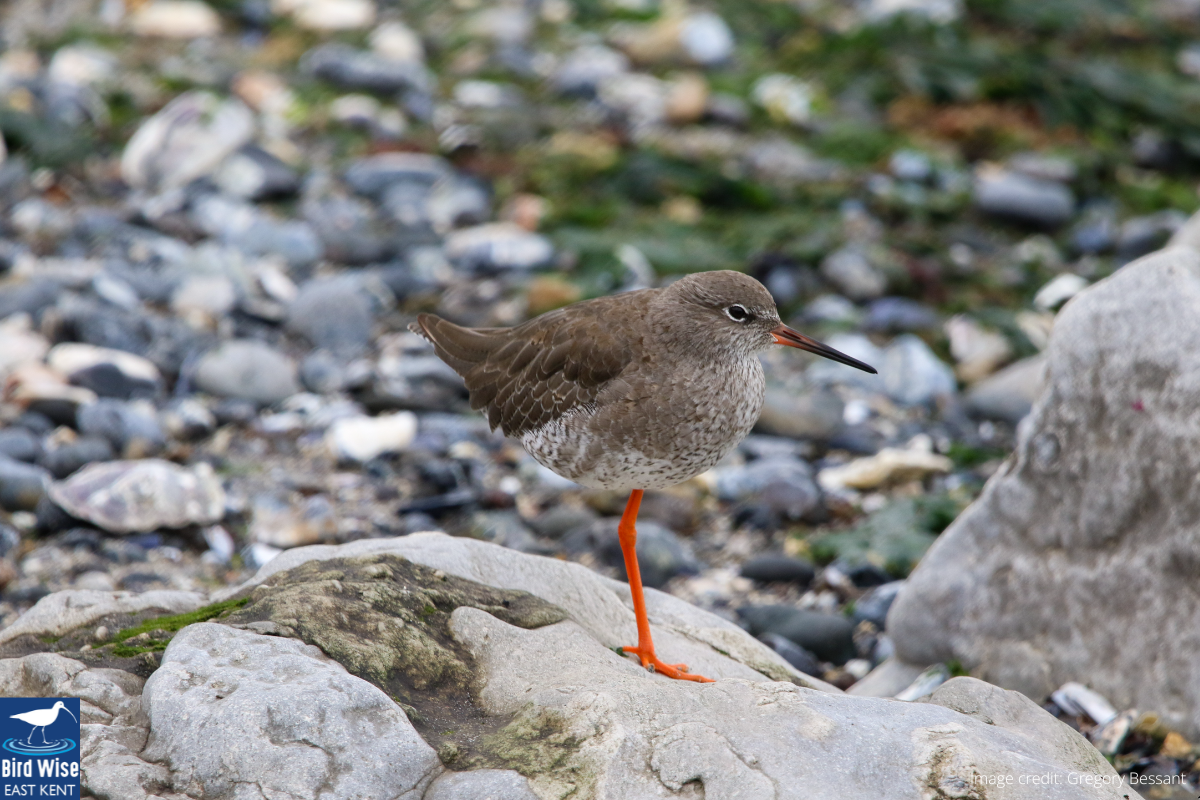


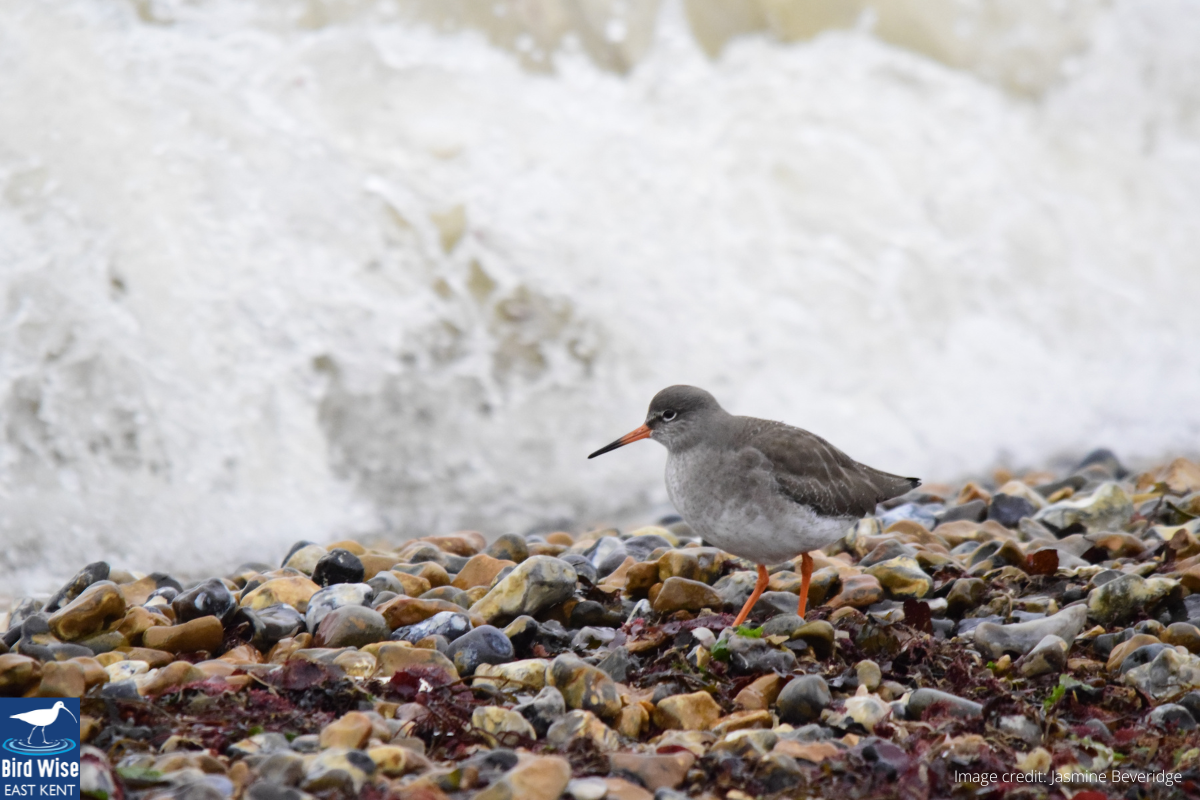
The redshank, so named for its long orange legs. Orange!? Yes, as the redshank was named before the word orange was used for the colour, named after the fruit in the 16th century. All things orange coloured were referred to as red-yellow, or in some circumstances yellow-red, very creative. This leggy bird has an orange bill to match it’s legs. The tip of the bill is a dark brown, complimenting its brown and white marbled back and wings. A truly coordinated and well groomed bird.
This neat and tidy avid is known as the Marshall of the Marsh, as it is a disturbance monitor par excellence, being the first to raise the alarm. However, should this happen then it is likely all the other birds will take note, and then one has a mass disturbance incident on their hands. To avoid this, give this bird plenty of space when visiting the coast in winter.
The redshank stands at 28cm, and weighs 4,615 times less than a blue whales heart, or 130 grams. There are 25,000 breeding pairs in the UK, an additional 40,000 pairs join the fling of redshank in the UK from Greenland (1,930 miles) and the Faroe Islands (790 miles). As the Faroe Islanders say góða eydnu (good luck) for their journey, as we welcome them in October with a cheery hvussu gongur (how are you)? Before bidding them farvæl (farewell) in April.
The redshank is protected under the Wildlife and Countryside Act 1981 and is on the Amber List of conserved birds.
Download our handy Redshank identification guide and fact sheet below.
Listen to the redshank bird call
Listen to the redshank alarm call
Discover more about the daring dozen migratory birds found in East Kent
Birds that have made the perilous journey to feed on our coast.
Join the Savvy Sea Dogs
By following our Coastal Canine Code
you can ensure that our four legged friends
can continue to enjoy the coast whilst avoiding disturbance to our feathered friends.