
Dunlin (Calidris alpina)
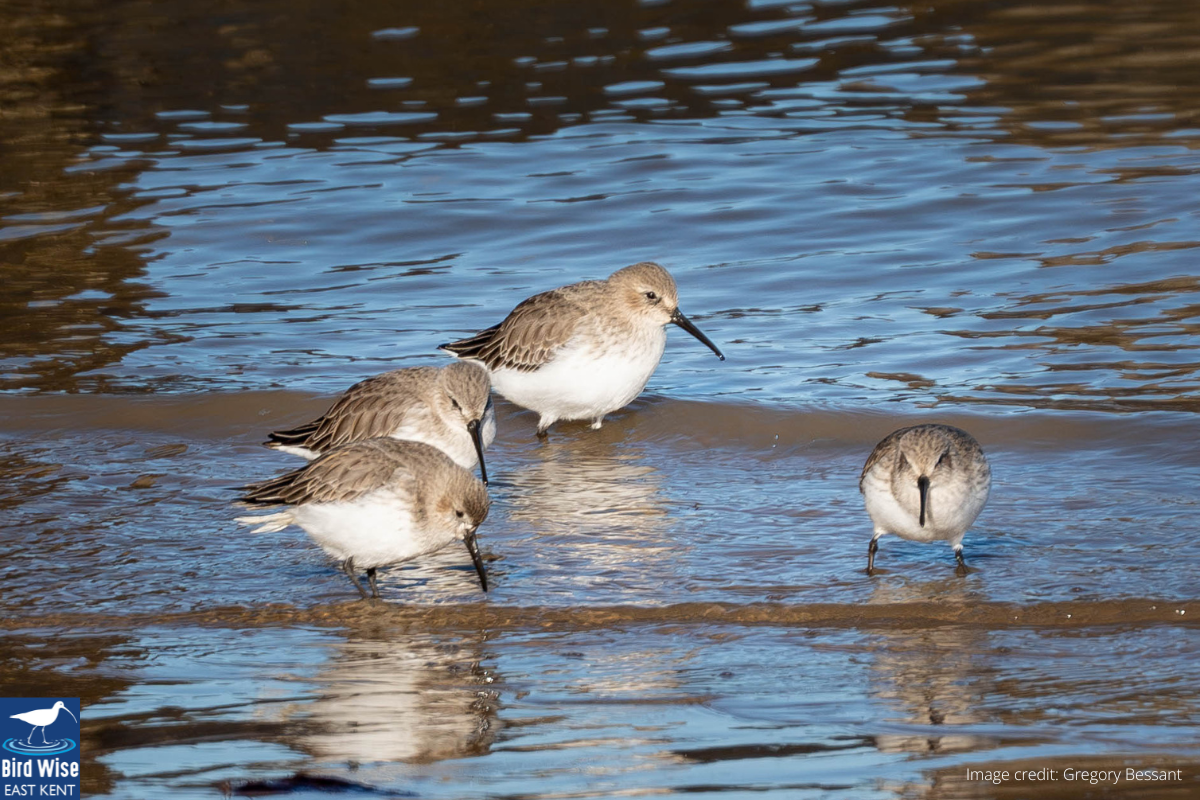
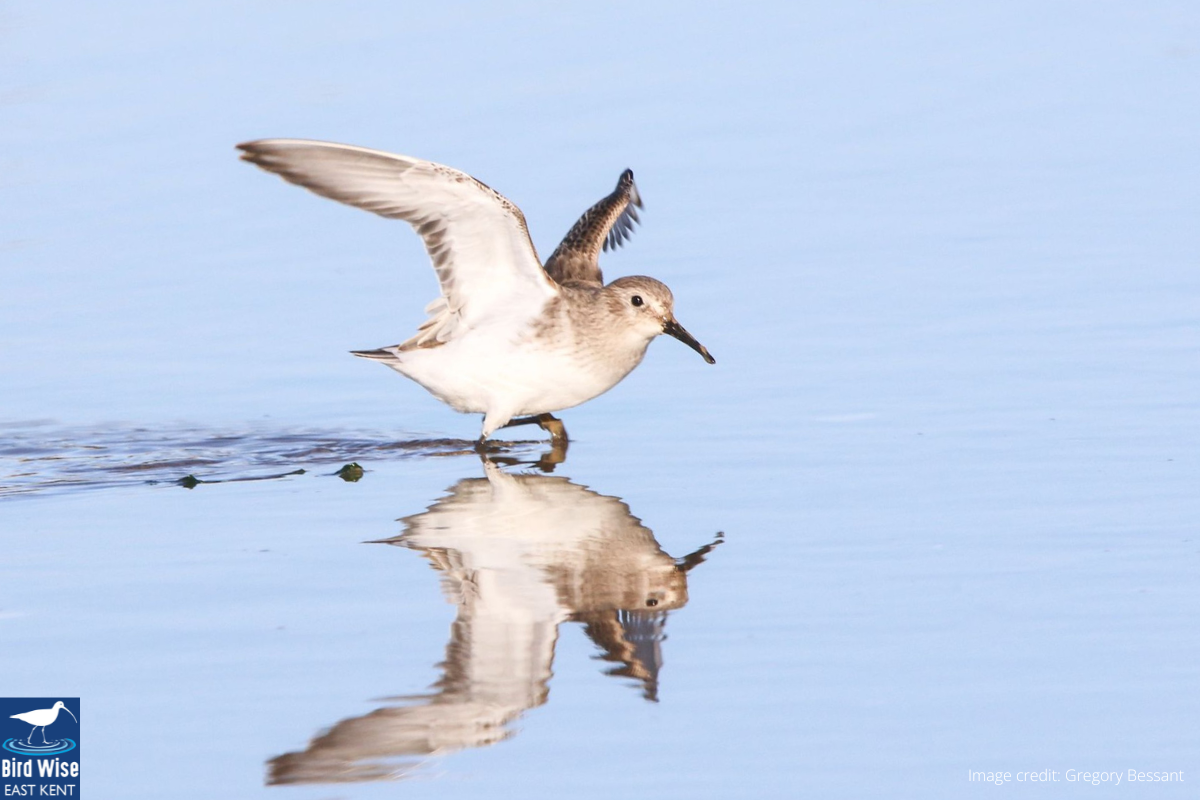
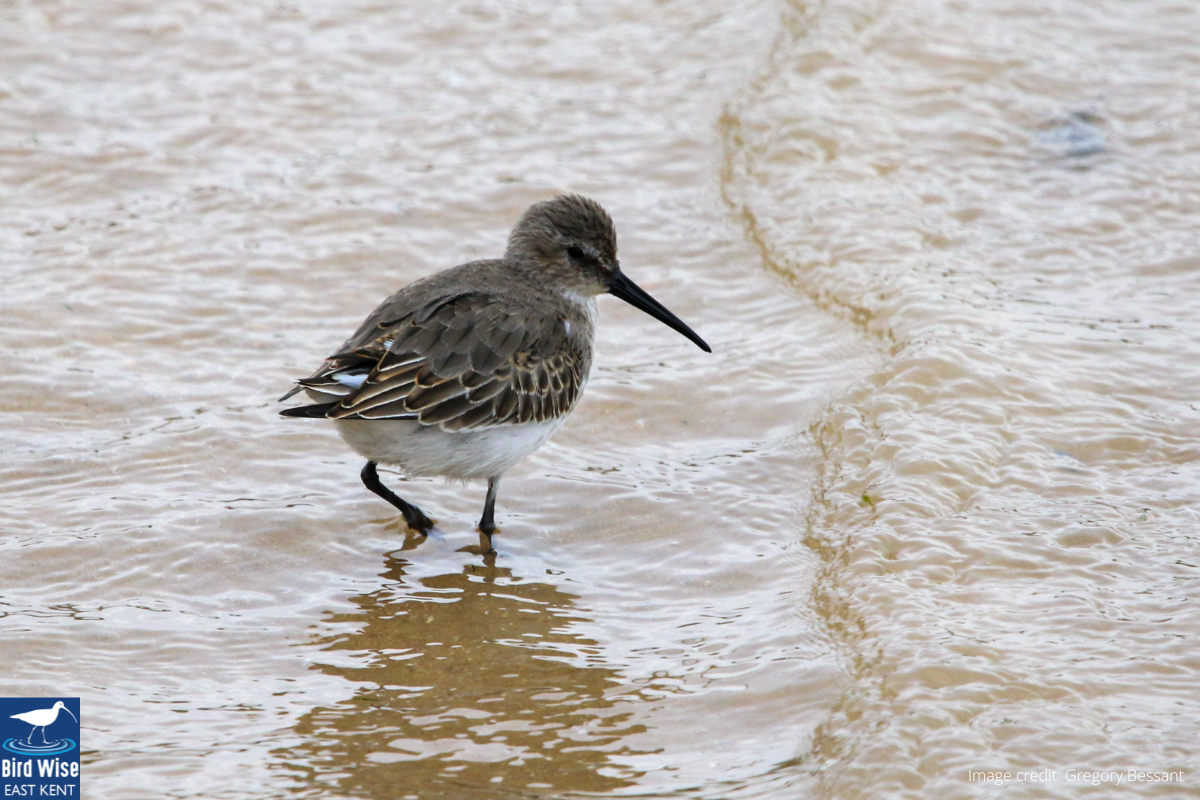
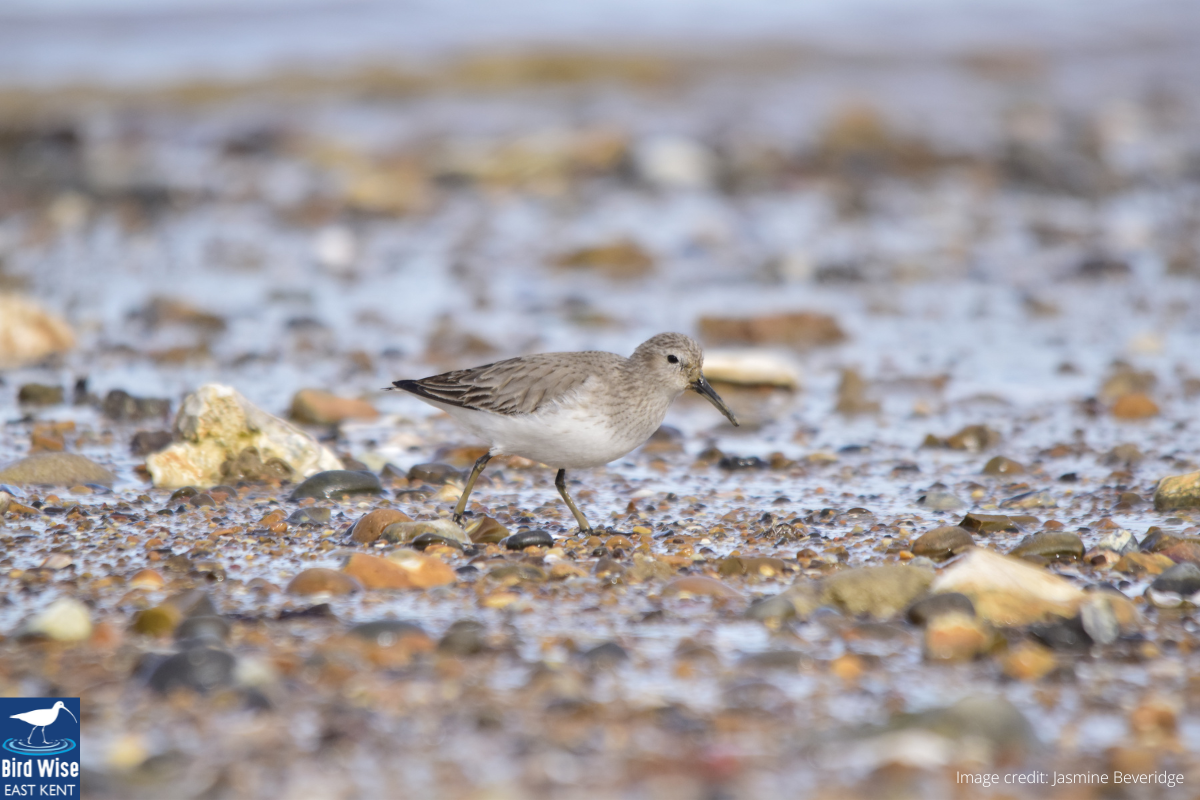
As you stand in the bracing wind, salty air drying your face, you squint as your eyes struggle to make out the bird ½ mile off across the mudflats. Just another “LBJ”, little brown job. As many of the winter birds shed their more exuberant plumage for a drabber winter coat. The dunlin is no different. A fling of dunlins feed on the flats in their brown and black bespeckled regalia, probing at the ground with its giveaway long bill to gather insects, worms, and molluscs. This meagre meal will provide enough sustenance to make it back to the summer Scandinavian shores; Iceland, Norway, Finland, Denmark, and Sweden.
We can bid Pitkästä aikaa (Finnish for a long time no see) as the dunlin arrive in October and Hyvää matkaa! (have a good journey) as they depart in March.
There are some dunlin that spend all year in the UK, 9,800 to be more precise. But a further 350,000 join us over the winter. Protected by The Wildlife and Countryside Act 1981 and on the amber list, it’s best if we give the dunlin plenty of room to forage for food.
Download our handy Brent Goose identification guide and fact sheet below.
Listen to the dunlin bird call
Listen to the dunlin bird call
Discover more about the daring dozen migratory birds found in East Kent
Birds that have made the perilous journey to feed on our coast

Join the Savvy Sea Dogs
By following our Coastal Canine Code
you can ensure that our four legged friends
can continue to enjoy the coast whilst avoiding disturbance to our feathered friends.